Saint Brioc's Bees
- Jul 4, 2024
- 3 min read
On the way to volunteer at this year’s Royal Cornwall Show, we took the back roads, where I noticed the beautiful and intriguing St Breock’s Church. Making a mental note to return and visit, I did just that over the weekend.
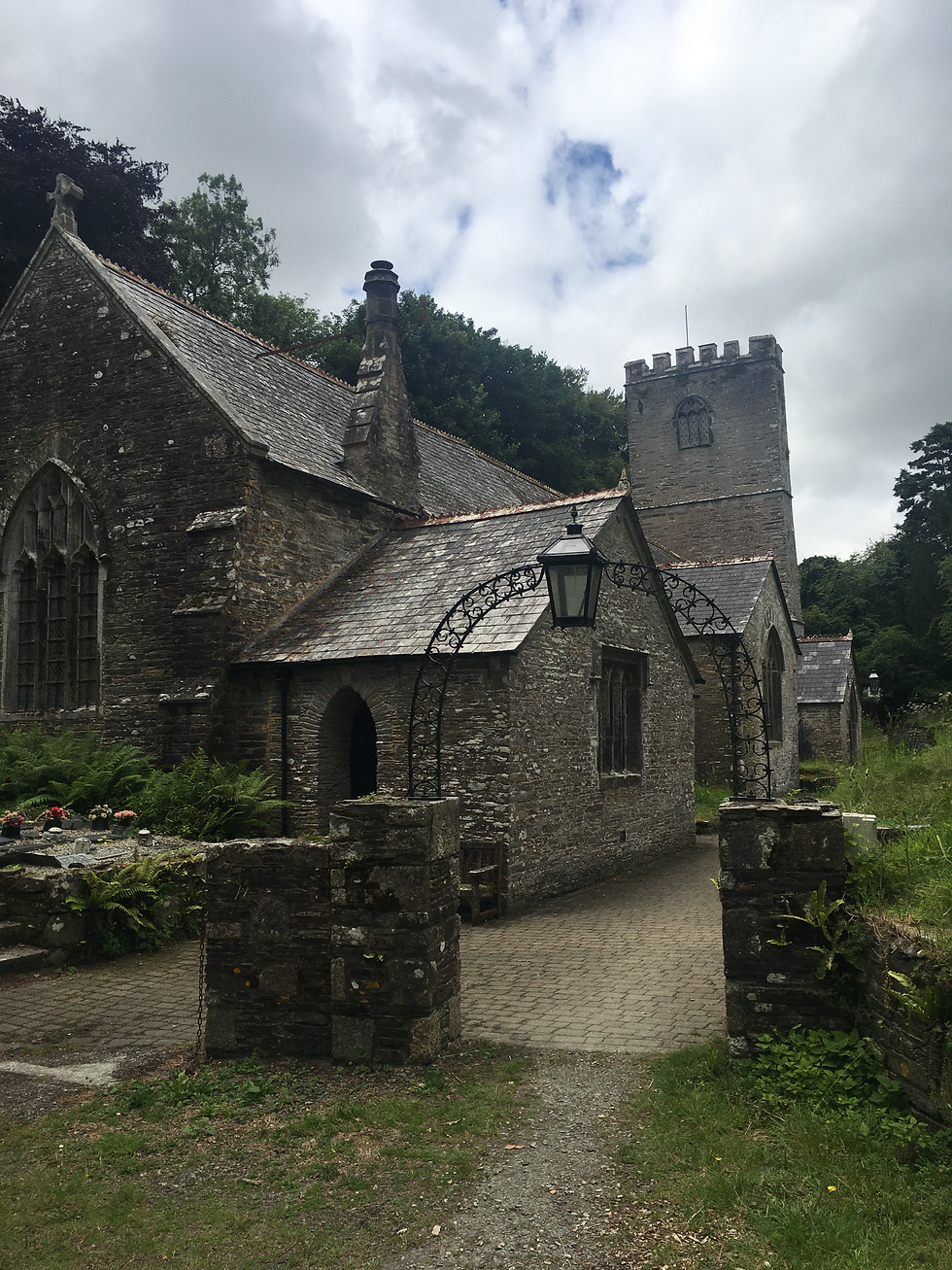
St Breock’s Church is unlike any other I’ve visited. Known as a ‘Celtic Quiet Place,’ it was built on the site of a small oratory where men and women, saints, hermits, or monks from the 5th to 8th centuries found quiet, secluded places to spend time alone with Christ.

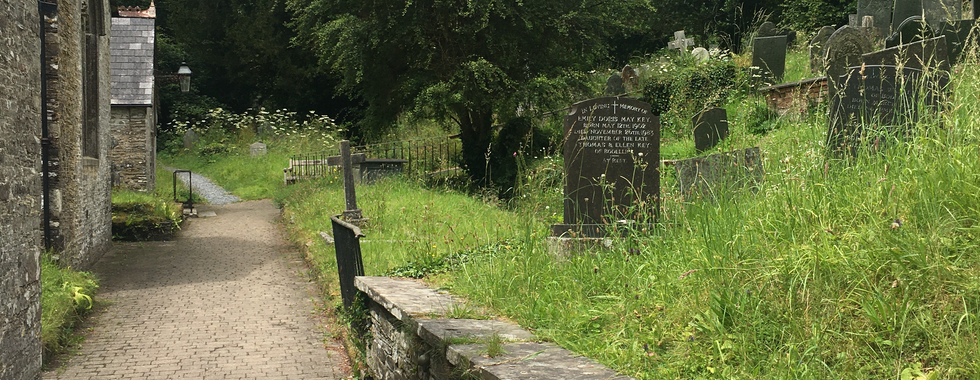
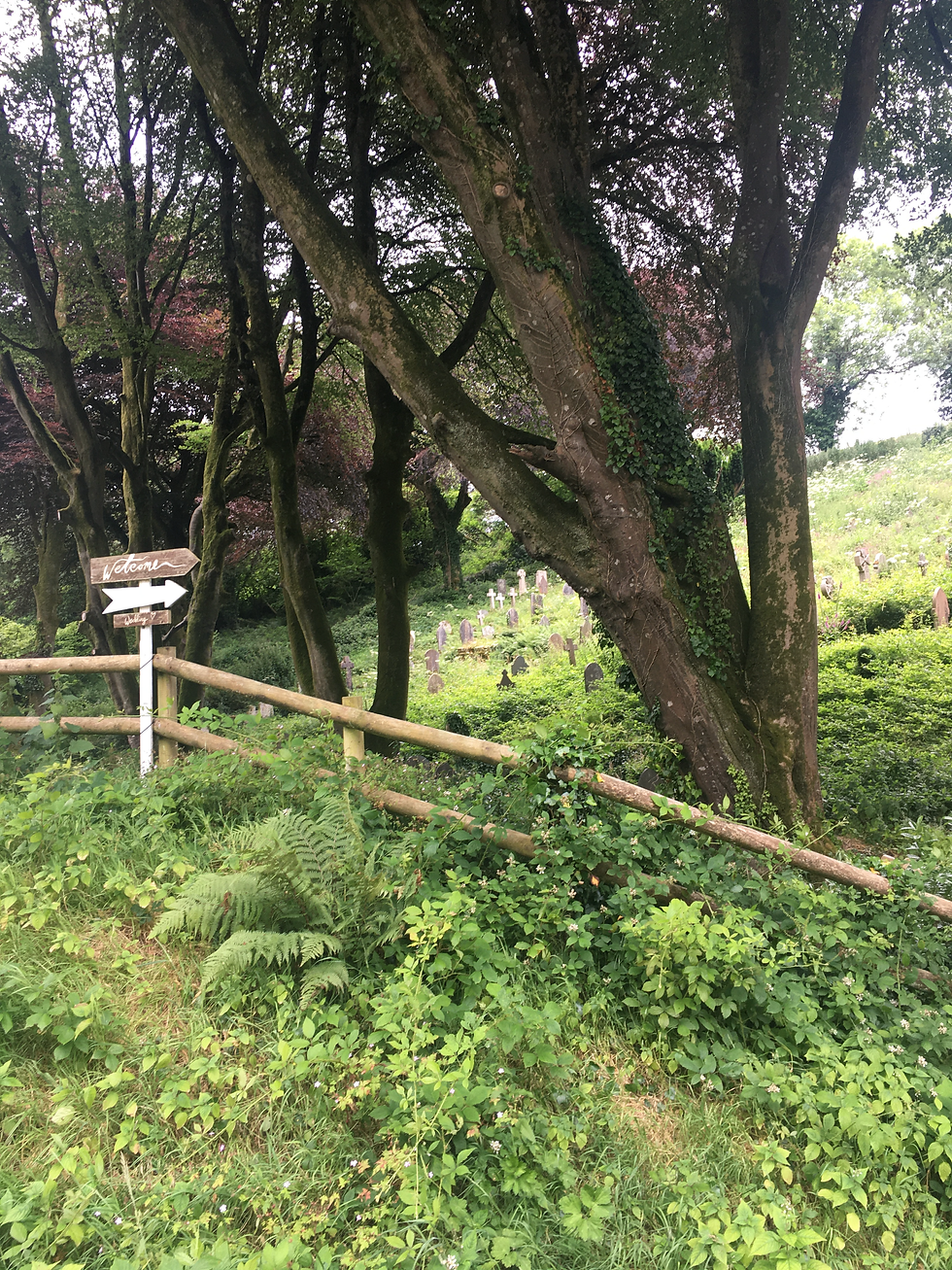
The churchyard features a stream and ancient trees standing tall throughout the grounds, creating a sacred and welcoming atmosphere.
As I entered the church, I was greeted by the familiar sound of buzzing honeybees. Ahh! This was why I was meant to be here—the bees had invited me.
Initially, I felt saddened by the sight of dead bees scattered on the church’s stone floor, unable to find their way out. However, I began to appreciate the 'gothic-esque' feel of the bee graveyard, most of them lying beneath the impressive stained-glass window, beside the magnificent organ, or upon a skull-and-crossbones grave marker. My partner pointed out that the spiders, at least, were well-nourished! *Chills


I also realised that not all the dead bees were trapped; some were simply the usual casualties of a colony, as bees only live about six weeks in summer. One thing I know about bees—they’re not silly. They wouldn't trap themselves unnecessarily.

I toured the church, soaking up the peaceful atmosphere and sitting in silence for a while. I left the heavy door open to give the bees an escape route, at least while I was there. These Celtic Quiet Places always have a very tranquil vibe, and combined with the hum of the honeybees, it was a heartwarming experience. I felt immense gratitude for being called here by the bees. Incidentally, I had chosen the pew with a brass plaque that read ‘Church Warden.’

Upon leaving the church, I noticed the bees buzzing around their entrance to a nest on the roof. The reorienting flights of newly born bees, which look like random messy flying, were a fabulous sight to watch.
It appears to be a huge colony—how fortunate they are to have such a home. I wouldn’t be surprised if bees had been living there for many years.
This left me feeling torn. I wrote and rewrote three visitor cards offering advice on how to safely remove the bees if needed, providing contacts for organisations that could do so, while also suggesting for the bees to be left in peace. I would much prefer to know that the bees are happily homed in such a magnificent place. However, I can imagine some might not share my enthusiasm (especially the organ player!) My intention with the notes was to convey: 1) the bees seem happy, leave them be, or 2) if removal is necessary, please don’t harm them—seek professionals who can minimise the impact on the bees.

This leads me to add—if you notice bees nesting in your home or workplace this summer, consider how fortunate you and the bees are! Before thinking about moving them, appreciate their presence and, if they’re not causing any harm, let them stay. St. Brioc, the patron saint of purse-makers, was known for his great charity, and bees are commonly thought to bring good luck and prosperity. This association feels especially fitting here at his spiritual home.
What a glorious sight to behold and sound to hear at the fascinating St Breock’s Church. I can’t wait to visit again and spend more time with the honey bees.